Conservative Tooth-Preserving Dentistry, TMJ & Orthodontics in Gangnam, Seoul
5.0 Verified Patient Satisfaction
en-US

TMJ disorders · Needs Clinic Confirmation
TMJ (Temporomandibular Joint) Treatment
The temporomandibular joint (TMJ) is a critical part of our body that allows for the movement of the jaw, enabling us to talk, chew, and express emotions.
Schedule a ConsultationWhat Is TMJ (Temporomandibular Joint) Treatment in Dentistry?
TMJ (Temporomandibular Joint) Treatment addresses disorders affecting the joint that connects the lower jaw to the skull. This joint allows essential movements such as chewing, speaking, and opening or closing the mouth. When the joint or surrounding muscles are strained or misaligned, patients may experience jaw pain, clicking sounds, stiffness, headaches, or difficulty opening the mouth fully.
In TMJ disorders care, treatment focuses on identifying the underlying cause of joint dysfunction. TMJ (Temporomandibular Joint) Treatment often involves conservative and non surgical approaches designed to improve bite alignment, reduce muscle strain, and stabilize jaw movement. Through detailed occlusal analysis and careful functional assessment, the treatment plan targets the imbalance contributing to discomfort.
Rather than relying on invasive procedures as a first step, conservative TMJ management aims to reduce inflammation and improve joint coordination gradually. Correcting bite discrepancies and reducing excessive pressure on the joint can significantly improve comfort and function. Each case is individualized to ensure that therapy aligns with the patient’s jaw structure and symptoms.
Many patients wonder whether jaw clicking or pain can improve without surgery. In many moderate cases, structured TMJ (Temporomandibular Joint) Treatment using conservative dental approaches can provide meaningful symptom relief and functional improvement.

Who Needs TMJ (Temporomandibular Joint) Treatment?
TMJ (Temporomandibular Joint) Treatment is recommended for individuals experiencing persistent jaw discomfort, restricted mouth opening, or noticeable joint sounds during movement. Early evaluation helps determine whether symptoms are related to occlusal imbalance, muscle tension, or joint inflammation.
Candidacy is determined through comprehensive examination of jaw movement, bite relationship, and muscle tenderness. Both younger adults and older individuals can develop TMJ disorders depending on stress levels, bite alignment, or previous dental issues.
Ideal candidates often include:
◆ Adults in their 20s to 60s experiencing chronic jaw pain
◆ Individuals noticing clicking or popping sounds while chewing
◆ Patients with limited mouth opening or jaw locking episodes
◆ Individuals with frequent tension headaches linked to jaw strain
◆ Patients experiencing facial muscle fatigue during chewing
◆ Individuals with uneven bite pressure or recent occlusal changes
◆ Patients seeking non surgical management for TMJ discomfort
Prompt evaluation supports early intervention before symptoms progress or significantly interfere with daily function.
Meet the Specialist in TMJ Disorders and Jaw Function Care

**Dr. Se Hong oh
**Orthodontist, Ph.D.
Dr. Se Hong Oh leads TMJ (Temporomandibular Joint) Treatment at OnO Dental Clinic with a structured approach focused on functional bite harmony and joint stability. With extensive experience in occlusal analysis and jaw alignment assessment, Dr. Oh carefully evaluates how the upper and lower teeth interact during movement and rest. This detailed diagnostic process helps identify the mechanical factors contributing to joint strain or muscle tension.
TMJ disorders often involve complex interactions between teeth, muscles, and joint positioning. Dr. Oh emphasizes conservative, stepwise management aimed at reducing excessive pressure on the temporomandibular joint while improving overall bite coordination. Treatment planning includes careful monitoring to ensure gradual improvement without unnecessary intervention.
Beyond symptom relief, the objective is long term joint stability and functional balance. Structured follow up care ensures that improvements in bite alignment and muscle relaxation are maintained.
The TMJ care team follows a patient centered, evidence based philosophy focused on conservative treatment, functional correction, and sustainable symptom management.
TMJ (Temporomandibular Joint) Treatment Areas and Expected Improvements
◆ Temporomandibular Joint Stabilization: Treatment targets the joint itself to reduce excessive strain during jaw movement. By correcting bite discrepancies and improving alignment, pressure on the joint is redistributed more evenly. This can decrease clicking sensations and discomfort during chewing.
◆ Jaw Muscle Relaxation and Coordination: TMJ disorders often involve muscle tension around the jaw and face. Conservative management aims to reduce muscle strain and restore smoother jaw movement patterns. Improved coordination may reduce tension headaches and facial fatigue.
◆ Occlusal Balance and Bite Harmony: Uneven tooth contact can overload specific areas of the joint. TMJ (Temporomandibular Joint) Treatment corrects occlusal discrepancies to create balanced contact between upper and lower teeth. This supports more stable jaw positioning.
◆ Functional Jaw Movement: Limited mouth opening or locking episodes can significantly affect daily life. Structured TMJ therapy aims to improve range of motion and restore more comfortable jaw function over time.
Expected Improvements
Patients undergoing TMJ (Temporomandibular Joint) Treatment may experience reduced jaw pain, decreased joint clicking, improved mouth opening, and enhanced chewing comfort. Headache frequency related to jaw tension may also decrease. Results vary depending on the underlying cause and adherence to treatment recommendations. No specific outcome can be guaranteed.
TMJ (Temporomandibular Joint) Treatment Process and Timeline
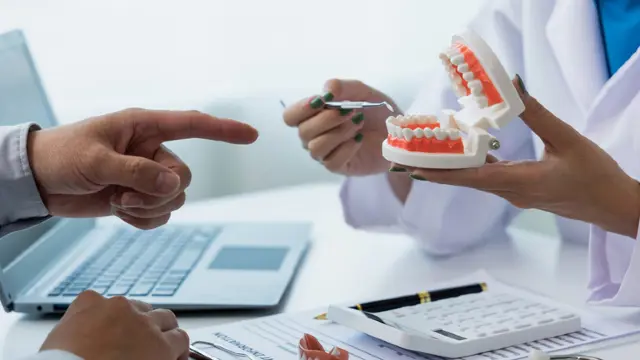
TMJ disorders care follows a structured diagnostic and therapeutic pathway designed to prioritize conservative management.
1. Consultation and Functional Assessment: A comprehensive evaluation includes jaw movement analysis, occlusal examination, and symptom review. Muscle tenderness and joint sounds are assessed carefully.
2. Diagnostic Bite Analysis: Detailed assessment of tooth contact patterns identifies imbalances contributing to joint strain. Imaging may be recommended when necessary for further evaluation.
3. Personalized TMJ Treatment Planning: A conservative therapy plan is developed to reduce joint overload and improve bite harmony. Treatment options are explained clearly to the patient.
4. Active Therapeutic Phase: Occlusal correction strategies and stabilization measures are implemented to improve jaw coordination and reduce muscle tension. Progress is monitored regularly.
5. Follow Up and Stabilization: Ongoing evaluation ensures symptom improvement and functional stability. Adjustments are made as needed to maintain balanced jaw movement.
Patients may experience gradual improvement over several weeks. Mild temporary discomfort may occur during adaptation phases, but most individuals continue daily activities without significant interruption.
TMJ (Temporomandibular Joint) Treatment Results, Safety, and Longevity
TMJ (Temporomandibular Joint) Treatment aims to provide long term functional improvement by correcting the mechanical causes of joint strain. When underlying bite imbalances are addressed effectively, symptom relief can remain stable for extended periods. Regular follow up supports sustained results.
The safety profile of conservative TMJ management is favorable when performed under professional supervision. Non surgical approaches minimize risk and focus on controlled, gradual correction.
Temporary side effects may include mild jaw soreness as the joint adapts to improved alignment. Serious complications are rare but may occur if severe joint pathology is present. Early professional evaluation reduces the likelihood of long term damage.
Why Choose OnO Dental Clinic for TMJ (Temporomandibular Joint) Treatment?
OnO Dental Clinic provides structured TMJ disorders care with detailed occlusal analysis and individualized treatment planning. Each patient receives thorough evaluation to identify the root cause of jaw discomfort.
Dr. Se Hong Oh applies conservative, evidence based approaches to improve joint stability and bite harmony. Treatment plans are tailored to the patient’s symptoms and functional patterns rather than standardized protocols.
The clinic emphasizes clear communication, patient comfort, and structured follow up to maintain long term jaw health.
Key reasons patients choose OnO Dental Clinic
◆ Specialized expertise in TMJ (Temporomandibular Joint) Treatment
◆ Detailed bite and occlusal analysis
◆ Conservative, non surgical management approach
◆ Structured follow up for sustained symptom relief
Real Patient Examples and Testimonials for TMJ (Temporomandibular Joint) Treatment
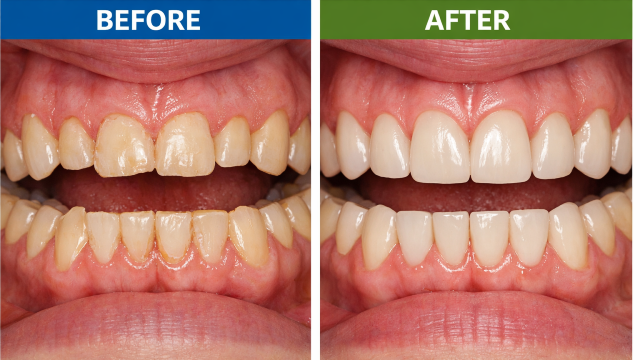
TMJ Bite and Tooth Wear Patient, 30s
The patient visited OnO Dental Clinic due to jaw pain accompanied by noticeable wear on the biting surfaces of the front and back teeth that had developed over time from uneven bite pressure. Frequent tension headaches and intermittent jaw clicking made eating crunchy foods uncomfortable. After a detailed TMJ (Temporomandibular Joint) Treatment evaluation, a conservative bite stabilization plan was initiated to improve occlusal contact and reduce excessive strain on the teeth and joint. Over the course of treatment, tooth sensitivity decreased, jaw comfort improved, and the patient reported that chewing felt more balanced, with less discomfort and reduced tooth wear progression, leading to increased confidence in everyday eating and long term oral health support.
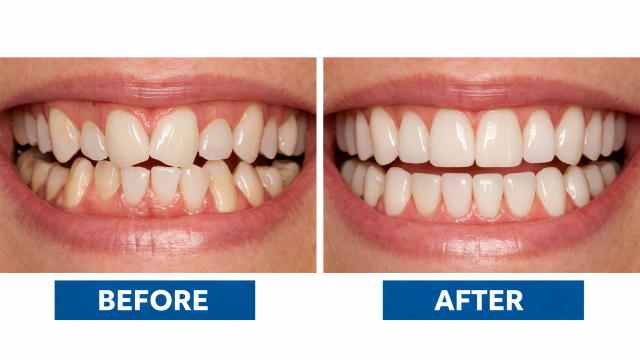
TMJ Impact on Tooth Alignment Patient, 40s
The patient sought evaluation because chronic jaw tension and shifting bite patterns were causing the front teeth to feel misaligned and sensitive during chewing. There was noticeable clicking when opening and closing the mouth, and several posterior teeth felt uneven during contact. After comprehensive TMJ (Temporomandibular Joint) Treatment planning, conservative occlusal correction and guided repositioning strategies were implemented to improve bite balance and reduce jaw strain. As treatment progressed, jaw discomfort lessened, tooth alignment stabilized, and the patient noticed a marked decrease in uneven tooth pressure during meals, enhancing comfort and overall dental function while protecting long term tooth integrity.
Take the Next Step Toward Relief from Jaw Pain
If you are experiencing jaw pain, clicking, or limited mouth opening, professional evaluation can determine whether TMJ (Temporomandibular Joint) Treatment is appropriate. Early diagnosis supports conservative correction and long term joint stability.
Schedule your personalized TMJ consultation at OnO Dental Clinic today. During your visit, Dr. Se Hong Oh will assess your symptoms, explain your treatment options clearly, and design a structured care plan focused on restoring comfort and functional balance.
Call **** our appointment desk to connect directly with our TMJ care team and arrange your consultation.
Other Dental Treatments
Explore additional dental treatments offered by OnO Dental Clinic.
Gum Contouring
Gum contouring, also known as gum reshaping or gum sculpting, is a cosmetic dental procedure that adjusts the gum line to enhance the symmetry and aesthetics of your smile.
Learn More

Cavity Treatment
Cavities occur when tooth enamel is weakened and eventually destroyed by acid-producing bacteria.
Learn More

Protruding Mouth Correction
Protruding mouth refers to the forward positioning of the upper and/or lower jaws, which causes the lips to remain open or stretched even at rest.
Learn More