Conservative Tooth-Preserving Dentistry, TMJ & Orthodontics in Gangnam, Seoul
5.0 Verified Patient Satisfaction
en-US

Dental Clinical Guide
Does TMJ Treatment Require Surgery? Understanding Your Options
Wondering if TMJ treatment requires surgery? Explore non-surgical and surgical options, plus expert tips for relief and recovery. Learn your choices today!
Schedule a ConsultationIf you’re reading this, you may have been told by a dentist or specialist that your jaw joint (TMJ) issue might require surgery. But that is far from always the case. At OnO Dental Clinic, where our philosophy has long emphasized conservative care and preserving natural structures, we begin every case with a guiding principle: surgery is the last resort, not the first stop.
Below, we’ll explore (1) your non-surgical options, (2) when surgery might be needed, and (3) how we, under the leadership of Dr. Se Hong Oh with over 31 years of clinical experience, help guide patients toward long-term solutions.
What it Means to “Have a TMJ Problem”
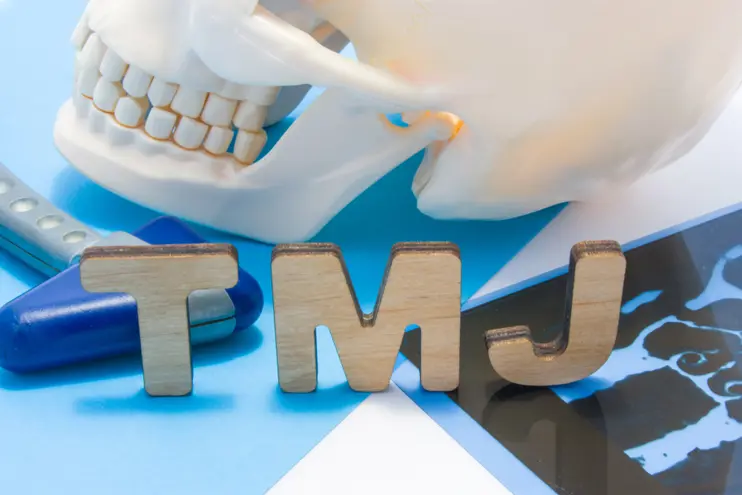
"TMJ disorder" refers to problems involving the temporomandibular joint that connects your lower jaw (mandible) to your skull. It also includes surrounding muscles, ligaments, and joint discs. Common symptoms include jaw pain, difficulty opening or closing the mouth, clicking or popping sounds, headaches, earaches, and even neck or shoulder tension.
The causes can vary widely:
- Teeth grinding or jaw clenching (often during sleep)
- Misalignment of the bite or teeth
- Joint disc displacement or degeneration
- Past trauma or injury
- Muscle overuse or strain
- Arthritic changes in the joint
Because TMJ disorders involve such a complex network of causes, treatment depends on the underlying issue — and whether the joint structures can still be preserved. One of the key diagnostic challenges is determining whether symptoms stem from the joint itself or from surrounding muscles and connective tissues. This distinction guides our treatment plan.
Non-Surgical Options — The First Line of Defense
At OnO Dental, we prioritize non-invasive and conservative approaches. The majority of TMJ issues can be effectively managed without surgery. In fact, more than 80% of TMJ patients improve significantly with non-surgical treatments.
a. Behavioral and Lifestyle Adjustments
Often, simple changes bring substantial relief:
- Avoiding hard or chewy foods that strain the jaw
- Limiting wide mouth openings (e.g., during yawns or dental visits)
- Stopping habits like gum chewing or resting the chin on your hand
- Improving posture, especially if you spend long hours at a desk or looking down at a phone
Patient education is vital. At our clinic, we guide patients through habit awareness training, helping them recognize unconscious clenching patterns or poor posture that can aggravate TMJ symptoms. These daily micro-adjustments can significantly reduce strain on the jaw over time.
b. Oral Appliances (Splints or Night Guards)
Custom-fitted occlusal guards can help redistribute the pressure across your teeth and jaw. These are especially helpful for patients who grind or clench their teeth at night — a condition known as bruxism, which is strongly associated with TMJ flare-ups.
We use advanced bite analysis and digital impressions to fabricate splints that not only protect the teeth but also help reposition the jaw slightly to alleviate joint compression. This allows the joint to "rest" in a more natural position, reducing inflammation and pain.
c. Physical Therapy
Manual therapy, jaw muscle exercises, and postural correction can enhance mobility, reduce tension, and improve jaw function. Techniques may include:
- Myofascial release
- Jaw stretching and strengthening exercises
- Ultrasound therapy or dry needling (when indicated)
We often coordinate care with experienced physiotherapists who understand TMJ biomechanics. This integrated approach ensures that joint function is supported holistically, not just symptomatically.
d. Pain and Inflammation Management
Depending on the severity of the symptoms, we might recommend:
- Heat or cold packs applied in cycles to reduce inflammation and promote circulation
- Anti-inflammatory medications or muscle relaxants during acute flare-ups
- Injections such as trigger-point therapy or even Botox in select cases, particularly for patients with severe myofascial pain
- Stress reduction techniques including guided relaxation, breathing exercises, and even cognitive-behavioral strategies to manage chronic pain perception
These options are designed to stabilize the condition and improve function before any invasive treatment is even considered.
When Might Surgery Be Considered?
Though surgery is not common, it can be necessary under certain conditions. Our first priority is to determine whether your problem is muscular/functional or structural in nature.
Indications for Surgery:
- Joint degeneration: If advanced imaging reveals disc damage, joint erosion, or arthritis that cannot be reversed through conservative methods
- Failure of conservative treatment: When non-surgical care over several months fails to relieve pain or restore function
- Recurrent dislocations or trauma: Especially if the jaw frequently locks or shifts out of place
- Skeletal issues: In cases where jaw misalignment or deformity puts excessive strain on the joint, such as severe underbites or asymmetry
In such cases, imaging technologies like cone-beam CT or MRI are critical. They allow us to assess the condition of the joint disc, bony structures, and surrounding soft tissues. At OnO Dental, we invest in the latest diagnostic tools to ensure that surgery is only recommended with clear, objective evidence.
It’s important to note: many patients are initially told they need surgery without having undergone a proper functional assessment. In our experience, a second opinion with detailed diagnostics can often prevent unnecessary interventions.
Types of TMJ Surgery
If surgery becomes necessary, it’s important to understand the types and implications:
- Arthrocentesis: A minimally invasive procedure where fluid is used to flush the joint and remove inflammatory debris. It can improve mobility and reduce pain with minimal downtime.
- Arthroscopy: Involves inserting a small camera and instruments into the joint to diagnose and treat internal damage. It allows for disc repositioning or the removal of adhesions with reduced risk compared to open surgery.
- Open-joint surgery (Arthrotomy): Used when disc repair or removal is needed due to severe degeneration. This is more invasive and reserved for cases where other methods have failed.
- Total joint replacement: Reserved for the most severe cases involving complete joint collapse or congenital deformities. This involves replacing the damaged TMJ components with prosthetic joints.
Each surgical approach is tailored to the patient's specific condition, medical history, and functional goals. We discuss these options in full detail with patients and their families to ensure realistic expectations and informed consent.
The OnO Dental Approach
At our clinic in Gangnam, led by Dr. Se Hong Oh and supported by Dr. Hoijin Oh, we combine decades of experience with the latest in diagnostic imaging to ensure that we fully understand your condition before proposing treatment.
Here’s how we typically approach TMJ cases:
Thorough diagnostics: Clinical exams, bite analysis, jaw tracking, and advanced imaging to differentiate between muscular vs structural causes
Customized non-surgical plan: Splints, physiotherapy, posture training, and monitoring tailored to the individual’s jaw mechanics and lifestyle
Ongoing assessment: We evaluate progress after 3–6 months to determine the next steps. In many cases, symptoms improve significantly within this window.
Surgical consideration only when essential: And even then, we ensure full clarity and consent, often consulting with maxillofacial partners if needed
We view every TMJ patient as a unique case, not a candidate for one-size-fits-all treatment. This individualized attention is central to our clinic philosophy.
Common Patient Concerns
“Will I ever need surgery?”
In most cases, no. Conservative care is often enough, especially when tailored to your specific cause. Surgery is reserved for structurally compromised joints or failed long-term management.
“Does jaw clicking mean I need surgery?”
Not necessarily. If there is no pain or loss of function, clicking or popping is often benign. Many people live with asymptomatic joint sounds for years without intervention.
“How long should I try non-surgical treatment before deciding on surgery?”
Typically, 3 to 6 months of guided treatment is appropriate. If symptoms persist or worsen, further evaluation is needed. We often extend conservative care when there is steady progress.
“What are the risks of TMJ surgery?”
Like all surgeries, TMJ operations carry risks: infection, nerve injury, limited improvement, or even worsening in rare cases. This is why careful diagnosis and a stepwise approach are critical.
“Can orthodontics help TMJ?”
In some cases, yes. Malocclusion (misaligned bite) can contribute to joint stress. At OnO Dental, we offer non-extraction orthodontics that preserve natural tooth structure and support facial harmony, which can relieve TMJ-related symptoms over time.
When Should You Seek a TMJ Specialist?
You should schedule a specialist evaluation if you experience:
- Persistent or worsening jaw pain
- Limited mouth opening or jaw locking
- Changes in your bite or facial asymmetry
- Previous trauma to the face or jaw
- Difficulty chewing or speaking comfortably
- Chronic headaches or ear pain without clear cause
A detailed assessment can determine whether your problem is muscular, structural, or a combination — and from there, the safest, most effective treatment can be planned. Acting early can prevent chronic damage and unnecessary procedures.
Final Words
Too many people suffer from TMJ disorders because they were either misdiagnosed or rushed into invasive care. At OnO Dental Clinic, we believe in clarity, caution, and care. We’ve helped thousands of patients find relief through personalized, step-by-step treatment — and we’d be honored to help you do the same.
If you’re dealing with ongoing jaw discomfort, don’t wait for it to worsen. Visit us for a comprehensive TMJ evaluation and start your journey to lasting relief. We’ll meet you where you are — whether it’s mild clicking or debilitating pain — and guide you with expertise, empathy, and a plan grounded in what truly works.
More Dental Articles
Continue reading clinical dental guides from OnO Dental Clinic.
What Are the Advantages of Choosing Zirconia Crowns Over Metal Crowns?
Explore the advantages of zirconia crowns over metal—superior aesthetics, durability, and biocompatibility for a natural, long-lasting smile. Learn more now!
Read Article

How Stress Affects TMJ and What You Can Do About It
Discover how stress impacts TMJ and learn effective strategies to relieve jaw pain, tension, and discomfort for lasting relief. Take control of your TMJ today!
Read Article

Is There a Link Between TMJ and Posture? How to Improve Both
Discover the connection between TMJ and posture—how alignment affects jaw health and simple ways to improve both for long-term relief. Find out more today!
Read Article