Conservative Tooth-Preserving Dentistry, TMJ & Orthodontics in Gangnam, Seoul
5.0 Verified Patient Satisfaction
en-US

Dental Clinical Guide
Is There a Link Between TMJ and Posture? How to Improve Both
Discover the connection between TMJ and posture—how alignment affects jaw health and simple ways to improve both for long-term relief. Find out more today!
Schedule a ConsultationIf you’ve been dealing with jaw pain, clicking, or discomfort around the ear — you may not have realized how closely your neck, head and overall posture play a role. At OnO Dental Clinic, we’ve seen time and again that the health of the temporomandibular joint (TMJ) and how you carry your head and spine are interwoven. Here’s a deeper dive into what that connection looks like — and what to do about it.
Why posture impacts the TMJ
Anatomical & neuromuscular linkages
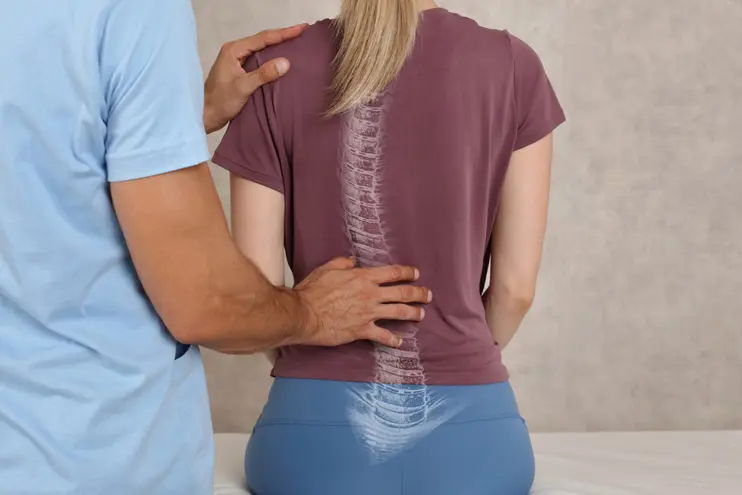
The TMJ is not isolated. It sits right next to the skull base, with muscles that attach to the jaw and skull, and also influence the cervical spine (neck) and head position. Tension in the stomatognathic system (jaw + chewing muscles + supportive tissues) can influence the neural control of posture.Biomechanics of head-and-jaw alignment
Imagine your head like a bowling ball balanced on the top of your spine. If it sits too far forwards (“forward head posture”), the muscles at the back of your neck carry extra load, and your jaw may shift position or strain to compensate. Poor posture, especially head-forward, can increase tension in neck and jaw muscles.Postural compensation throughout the body
When one region of the body is misaligned, other regions adjust to maintain balance. Deviations caused by TMJ disc displacement, for instance, can be reflected in pelvis and spine alignment as well.
So… is posture the cause of TMJ problems? Not always.
It’s important to keep things balanced and realistic. The presence of postural deviations doesn’t guarantee TMJ pain, and not every TMJ problem is caused by posture.
Some studies have found no significant difference in forward head posture between TMJ patients and controls. While other research shows a correlation, many lack strong design or clear cause-effect conclusions. What this means: posture may be a modifying factor (it can worsen or perpetuate issues) rather than the sole cause. At our clinic, we treat the TMJ function and alignment first — and posture becomes part of the long-term stabilisation strategy.
How TMJ & Posture Affect Each Other — Clinical Examples
Example A: Forward head posture & jaw strain
When the head juts forwards (common in desk-work, smartphone use), the lower jaw may retract slightly, altering how the condyle (jaw joint “ball”) sits in its socket. Muscle groups (like the suprahyoids, masseters, sternocleidomastoid) may become tighter. This can lead to:
- Clicking or popping in the TMJ
- Limited jaw range
- Increased ear/neck pain concurrent with jaw pain
Example B: TMJ dysfunction worsening neck posture
Conversely, if there is joint dysfunction in the TMJ — for instance, disc displacement or muscle imbalance — the head/neck musculature may compensate to find a “comfortable” bite or jaw rest-position. Over time this may create or exaggerate a postural deviation.
Clinical wisdom from our experience
What many patients don’t realise is: if you fix the jaw mechanics but continue with a 9-to-5 bent-forward posture and daily habits like smartphone slouching, the jaw’s neuromuscular system remains under the same “stress-load” as before. At OnO Dental Clinic, when we treat TMJ problems, we emphasise that long-term stability means addressing posture, ergonomics and daily routines.
Practical Strategies to Improve Both TMJ and Posture

1. Posture awareness & ergonomic adjustments
- Neutral head position: Imagine a plumb line from the ceiling through your ear to your shoulder. Keep your ears roughly above your shoulders when sitting or standing.
- Ergonomic workspace: Screen at eye-level, feet flat on the floor, chair with lumbar support, keyboard close to avoid reaching.
- Take mini-breaks: Every 30–60 minutes, stand, roll shoulders back, gently tuck your chin and reset your head-position.
2. Neck & upper-body muscle strengthening
Exercises that focus on stabilising the deep neck flexors, upper back, and shoulder-girdle help support the head so the jaw isn’t “dragged” forward or down:
- Chin tucks (gentle nod motion, hold 5–10 seconds, repeat 10 times)
- Scapular retractions (squeeze shoulder blades together slowly, hold 3–5 seconds)
- Thoracic extension over a rolled towel or foam-roller (if your spine is rounded)
Recent trials have shown that cervical stabilisation training improves both TMJ symptoms and posture.
3. Jaw muscle / TMJ-specific exercises
The jaw moves thousands of times each day (chewing, speaking, swallowing), so we recommend:
- Gentle jaw opening/closing: Keep movement smooth, avoid popping or forcing wide opening.
- Jaw rest-position: Lips gently together, teeth slightly apart, tongue resting lightly on the palate.
- Avoid parafunctional habits: Grinding, chewing gum excessively, biting pens.
4. Expert diagnostics & tailored care
At our clinic in Gangnam:
- We use advanced 3D-CT and muscle mapping to precisely assess how the jaw functions in relation to posture.
- Our philosophy is “preservation over removal” — aiming for minimally invasive, conservative solutions that support the natural joint.
- If posture is part of the dysfunction, we integrate physiotherapy and posture-rehab into the TMJ care plan.
5. Ongoing maintenance — building a new “set-point”
Posture and TMJ health are not one-time fixes. Once the acute phase is over, the body tends to revert unless you actively maintain alignment:
- Continue posture and jaw exercises 2–3 times/week.
- Monitor for early signs of relapse: tension in temples, neck stiffness, jaw fatigue.
- Stay mindful of screen-time, sleeping position, and repetitive strain habits.
Why This Matters for Your Long-Term Health
At OnO Dental Clinic, we’ve observed that patients who treat only the jaw-joint pain (while ignoring posture) often return months later with recurring symptoms. The underlying load or imbalance remains. In contrast, those who address TMJ issues and posture achieve longer-lasting relief and better overall function.
To be honest: we’ve seen too many people suffer due to rushed diagnoses that treat only the symptoms. Our value lies in precision dentistry combined with holistic alignment of the musculoskeletal system.
When to Seek Professional Help
If you experience any of the following, it’s time for a comprehensive evaluation:
- Persistent jaw pain/locking/clicking, especially with neck or shoulder pain
- Frequent headaches or ear-aches linked to jaw movement
- Forward head posture or slouching that doesn’t improve
- Changes in bite or chewing difficulty
A TMJ evaluation at a precision clinic like ours, led by Dr. Se Hong Oh with over 31 years of experience, can uncover the root cause. From there, a tailored plan that includes jaw therapy, posture correction, and ongoing support is often the most effective route.
Final Thoughts
Yes, there is a meaningful link between TMJ health and posture — yet it’s not a simple one-cause story. Your jaw and neck-spine system communicate constantly. If one part is stressed, the other may compensate, creating patterns of dysfunction.
The good news? With an integrated approach — treating the jaw, improving posture, strengthening upper body, and adjusting daily habits — you can break the cycle. At OnO Dental Clinic we believe in preservation, precision, and partnership: your comfort, function, and lifelong smile matter.
More Dental Articles
Continue reading clinical dental guides from OnO Dental Clinic.
What Are the Advantages of Choosing Zirconia Crowns Over Metal Crowns?
Explore the advantages of zirconia crowns over metal—superior aesthetics, durability, and biocompatibility for a natural, long-lasting smile. Learn more now!
Read Article

How Stress Affects TMJ and What You Can Do About It
Discover how stress impacts TMJ and learn effective strategies to relieve jaw pain, tension, and discomfort for lasting relief. Take control of your TMJ today!
Read Article
Is There a Link Between TMJ and Posture? How to Improve Both
Discover the connection between TMJ and posture—how alignment affects jaw health and simple ways to improve both for long-term relief. Find out more today!
Read Article