Conservative Tooth-Preserving Dentistry, TMJ & Orthodontics in Gangnam, Seoul
5.0 Verified Patient Satisfaction
en-US


Dental Clinical Guide
How Stress Affects TMJ and What You Can Do About It
Discover how stress impacts TMJ and learn effective strategies to relieve jaw pain, tension, and discomfort for lasting relief. Take control of your TMJ today!
Schedule a ConsultationIf you’ve ever found yourself waking up with a sore jaw, earache, or tightness around the temples after a stressful day, you’re not alone — and stress may be a key culprit. At our clinic in Gangnam-gu, Seoul, where we emphasize preserving natural dentition, we see countless cases where the daily burden of tension shows up as dysfunction in the TMJ system.
Here’s what many patients don’t realize: the TMJ is not just a mechanical hinge for chewing and speaking — it is highly influenced by muscle tone, nervous system activity, and emotional stress. Think of your jaw joint like a finely-tuned train sliding on rails. When the joint (the carriage) and the muscles (the engine) work in harmony, everything moves smoothly. But if the engine is overworking or the nervous system (the driver) is anxious and overreactive, the whole system can shudder or derail.
Let’s walk through why stress matters, how it shows up, and what you can do — from everyday habits to targeted professional care. This is written from the perspective of a dental team with over 30 years in clinical and academic care — so you’ll get insights grounded in real patient experience.
Why Does Stress Influence the TMJ?

Neuromuscular Tension Stress activates the body’s fight-or-flight response: muscles tense, adrenaline rises, and you may clench your jaw or grind your teeth without even realizing it. These muscular responses directly overload the TMJ.
Parafunctional Activity (Clenching/Grinding) Bruxism — or habitual clenching and grinding — places excessive pressure on the jaw joint and muscles. Stress significantly increases the likelihood of these unconscious behaviors, especially during sleep.
Postural Imbalance Stress affects more than just your jaw — it often leads to poor posture, like forward head positioning, which changes how your jaw aligns and loads. Over time, this can alter your bite and strain the TMJ.
Emotional Overlay People with high stress levels or anxiety often report increased jaw pain, muscle tightness, and sensitivity. These emotional factors amplify muscular hyperactivity and pain response, which reinforces the cycle of dysfunction.
Stress may not be the sole cause of TMJ disorders, but it is often a powerful accelerator. Ignoring it can limit the success of dental or orthopedic treatments.
What Does Stress-Driven TMJ Dysfunction Look Like?

- Morning jaw soreness or tightness
- Clicking, popping, or limited jaw movement
- Earaches or a sense of pressure in the ears
- Neck and shoulder tension linked to jaw use
- Headaches that worsen with chewing or jaw clenching
- A bite that suddenly feels “off” or different
These symptoms may indicate that stress is causing your muscles and joint system to function abnormally. Often, the jaw becomes symptomatic before any structural damage is evident.
Why It Matters: Long-Term Risks of Unchecked Stress on the TMJ
- Joint disc displacement: The cushioning disc inside the joint can slip out of position, causing locking or painful clicking.
- Dental wear: Grinding can erode enamel, increase sensitivity, and lead to fractures.
- Chronic pain: Once muscles and nerves become sensitized, even minor tension can trigger significant pain.
- Facial imbalance: Habitual one-sided clenching can cause muscle asymmetry over time.
- Quality of life: Sleep, eating, and emotional well-being can suffer significantly.
Because we prioritize conservative care at OnO Dental Clinic, we emphasize early intervention to reduce stress-related strain before it escalates.
What You Can Do Right Now: At-Home Support for TMJ Relief
Awareness Habits
- Check your jaw posture: Lips closed, teeth apart, tongue at the roof of the mouth.
- Identify stress triggers: Notice when you clench during the day and take short breaks to relax your face.
- Correct posture: Keep your head balanced over your spine and shoulders relaxed.
Soothing Routines
- Use a warm compress on the jaw muscles to ease tension.
- Try gentle stretching: Slowly open your mouth, move the jaw side to side without forcing.
- Self-massage: Use your fingertips to gently massage the jaw and temple muscles.
Stress-Relief Practices

- Practice deep breathing or mindfulness daily.
- Take regular movement breaks, especially if you work at a desk.
- Prioritize good sleep hygiene to reduce night-time clenching.
Diet Adjustments
- On flare-up days, opt for softer foods and avoid chewing gum or hard snacks to reduce joint strain.
When to See a Professional
If symptoms persist or worsen — especially clicking, locking, or facial pain — seek a comprehensive TMJ evaluation. At our clinic, this typically involves:
- 3D imaging and bite assessment
- Custom-made night guards or splints to prevent nighttime grinding
- Physical therapy and guided jaw exercises
- Non-extraction orthodontics to balance bite if misalignment is a factor
- Long-term stress management strategies integrated into your care plan
We always start with the most conservative, reversible treatments first — preserving teeth and joint health is our top priority.
Why Our "Preserve First" Philosophy Matters
At OnO Dental Clinic, led by Dr. Se Hong Oh and Dr. Hoijin Oh, we believe in treating the whole system — not just isolated symptoms. Many patients have been told extraction or surgery is their only option. But what we often find is that with proper diagnosis, jaw alignment, and muscle care, natural function can be restored without invasive procedures.
Our approach to TMJ care — integrating precise diagnostics, bite harmony, and stress reduction — reflects our broader belief in dentistry that supports long-term health and aesthetics.
Final Thoughts
If your jaw has been bothering you and your life has felt more stressful lately, the connection is real. TMJ disorders are often the silent outcome of chronic, unspoken tension. But the good news is, they are treatable — especially when addressed early and conservatively.
Take a moment to notice your jaw right now. Is it tight? Are your teeth touching? Small awareness shifts, combined with expert care, can bring major relief.
If jaw discomfort, clicking, or tightness is interfering with your daily life, consider visiting us at OnO Dental Clinic in Gangnam-gu. We specialize in blending function with aesthetics — restoring comfort, confidence, and control without unnecessary procedures.
More Dental Articles
Continue reading clinical dental guides from OnO Dental Clinic.
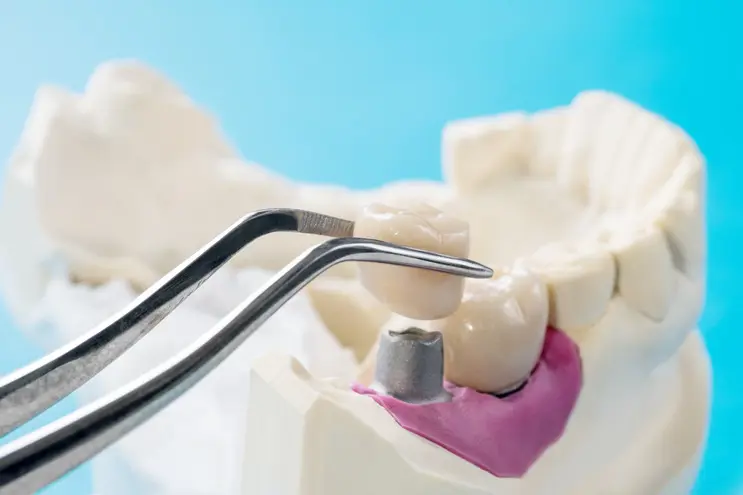
What Are the Advantages of Choosing Zirconia Crowns Over Metal Crowns?
Explore the advantages of zirconia crowns over metal—superior aesthetics, durability, and biocompatibility for a natural, long-lasting smile. Learn more now!
Read Article
How Stress Affects TMJ and What You Can Do About It
Discover how stress impacts TMJ and learn effective strategies to relieve jaw pain, tension, and discomfort for lasting relief. Take control of your TMJ today!
Read Article

Is There a Link Between TMJ and Posture? How to Improve Both
Discover the connection between TMJ and posture—how alignment affects jaw health and simple ways to improve both for long-term relief. Find out more today!
Read Article