Conservative Tooth-Preserving Dentistry, TMJ & Orthodontics in Gangnam, Seoul
5.0 Verified Patient Satisfaction
en-US

Dental Clinical Guide
The Long-Term Benefits of Dental Implants for Your Oral Health
Explore the long-term benefits of dental implants for your oral health, from bone preservation to lasting stability. Invest in your smile—learn more today!
Schedule a ConsultationUnderstanding what dental implants really bring — longer than just a new tooth
At OnO Dental Clinic, we often meet patients who think of dental implants simply as “that thing to replace a missing tooth.” But if you’ve lost a tooth (or several), it’s worth pausing to consider the long‑term impact — for your bite, your jawbone, your face shape, your gums, and even how confident you feel every day. With over 31 years of experience, Dr. Se Hong Oh sees implants not just as replacement teeth, but as strategic investments in lifelong oral health.
Here’s a deep dive into why implants matter — what they are, what they protect, and how they knit together function and aesthetics in a way that other solutions often can’t.
What is a dental implant — and why does it matter beyond the obvious?
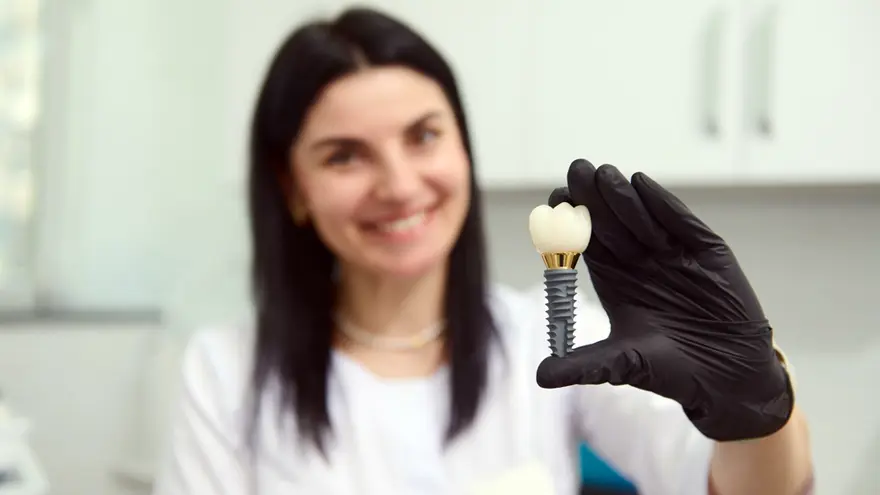
When a tooth is lost, often what disappears is not just the visible crown but the root‑structure’s role: the stimulation to the jawbone, the way surrounding teeth shift, the way the bite adapts, and how the gums and bone maintain shape.
An implant (typically a titanium or zirconia "root analogue" surgically placed into the jaw‑bone) undergoes osseointegration — that is, it becomes anchored in bone just like a natural root would.
At OnO Dental Clinic, we emphasise preservation over removal. If you’ve been told you must extract teeth and just live with the gap (or use dentures) — think again. With good planning, an implant can restore the tooth and protect the wider structures that get compromised when a tooth is simply lost.
The long‑term benefits: what you’ll thank yourself for years from now
Here are the key long‑term advantages we discuss with our patients — not as marketing lines, but as real‑world outcomes you’ll live with for decades.
1. Preservation of the jawbone and facial structure
When a natural tooth is lost, the bone that used to support it receives less stimulation. In time, the jawbone begins to resorb (shrink) and the face may take on a “sunken” or aged appearance.
With an implant in place, the mechanical load (from chewing) is transferred into the bone and helps maintain its density and shape. At OnO, we emphasise this especially for younger patients: placing an implant early often means avoiding extensive bone‑grafting later or excessive facial‑contour change.
2. Stability and function for chewing, speaking and life
Missing teeth affect more than aesthetics: they often hamper chewing, shift dietary choices, impair clear speech or even lead to digestive issues (from not being able to properly break down food).
Implants, once integrated, behave very much like natural teeth: they don’t slip (as some dentures might), they allow you to bite into foods you love, and they restore function. That means better nutrition, better social confidence (smiling/laughing freely), and less risk of over‑loading remaining teeth. At our clinic, even patients who originally only wanted to replace a visible gap end up grateful for restored function.
3. Protection of adjacent natural teeth
Bridges or traditional partial dentures often rely on neighbouring teeth to anchor the prosthetic. That means filing down healthy teeth, or creating additional stress on them over time. By contrast, an implant stands alone and doesn’t undermine adjacent teeth.
This “independence” means you’re helping preserve your remaining natural teeth — a core philosophy Dr. Oh advocates: protect what’s still good, replace only what must be replaced.
4. Better gum and periodontal health, less shifting of teeth
Gaps from missing teeth invite trouble: adjacent teeth may drift or tilt, the bite may collapse, food may become trapped, gums may recede. Implants fill that gap, maintain correct spacing and help keep the periodontal environment healthier.
This is especially important for patients considering long‑term outcomes: once teeth drift, future corrective treatments may become necessary (and costly). With the precision diagnostics we use (3D CT scans, etc.), we can plan implants to minimise such shifts from day one.
5. Long‑term durability and cost‑effectiveness
While implants require an initial investment, their longevity often makes them more cost‑effective than alternative tooth‑replacement options which may need frequent repair or replacement (e.g., dentures, conventional bridges).
At our clinic in Gangnam‑gu, we emphasise the “do it once carefully” approach rather than multiple “quick fixes” over time. With proper maintenance (which I’ll discuss shortly), an implant placed today can serve you reliably for decades.
6. Aesthetic confidence and quality of life
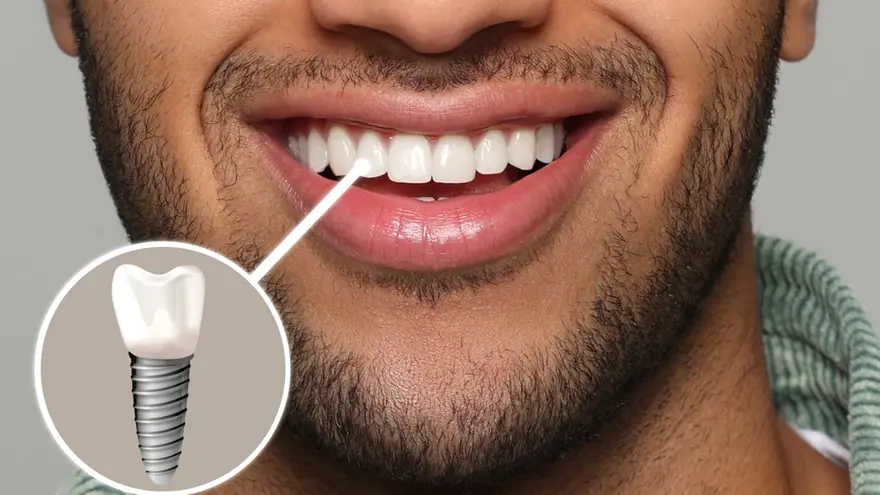
It may seem secondary in a “functional” explanation, but the psychological and social impact is real: being comfortable with your smile, not worrying about a denture slipping, feeling like you’re eating normally — all of these contribute to improved well‑being.
Patients at OnO often tell us: “I hardly think about my implant now — I just forget it’s there.” That kind of normalisation of everyday life is the tooth‑replacement ideal.
Real‑world example (from clinic practice)
One of our patients, Ms. K in her early 40s, came to us after a molar extraction two years earlier. She had been told to wait and “maybe get a denture later”. But she noticed her adjacent tooth tilting, she was avoiding nuts and hard foods, and she felt her cheek line was subtly changing.
We discussed an implant placement, carefully planned using 3D imaging, selecting an appropriate diameter and length, and integrating aesthetic design so the crown matched her other teeth. Two years on: the implant site shows healthy bone levels, her bite feels back to normal, she chews freely, she has no adjacent tooth drift, and she feels more confident in speaking and smiling.
This is a snapshot of how early action + precision planning + a conservative philosophy combine for long‑term benefit.
What you should ask (or expect) in an implant pathway

To maximise these benefits, certain conditions and steps matter:
- Comprehensive diagnostics: At OnO we use 3D cone‑beam CT scans to assess bone volume, nerve position, sinus proximity and to plan implant placement.
- Preservation‑first mindset: We evaluate whether the tooth can be saved; if not, then plan the implant in a way that minimises bone loss and supports future stability.
- Minimally invasive technique: Our philosophy emphasises conservative surgery, optimal healing environment, and minimal disruption to neighbouring structures.
- Maintenance plan: Implants are not “install and forget”. Cleaning around the implant, checking for peri‑implantitis (gum inflammation around implants), and periodic reviews keep the implant healthy.
- Lifestyle factors: Smoking, uncontrolled diabetes, poor oral hygiene, excessive bite forces (e.g., bruxism) can compromise long‑term success. We guide patients accordingly.
- Design for longevity: Choosing appropriate implant size, crown material, occlusion (bite) design and future‑proofing the case (for example: what if you lose another tooth next door?) are crucial.
Why this matters especially in Korea and in our clinic
In Korea — with high aesthetic awareness and fast‑paced lifestyles — having a solution that works functionally and looks natural makes a difference. In Gangnam‑gu, where patients often expect durable, precise, minimally invasive treatments, we meet these expectations without compromising on long‑term health.
At OnO Dental Clinic, led by Dr. Se Hong Oh and supported by Dr. Hoijin Oh, our approach blends advanced technology (such as guided surgery, digital planning) with a conservative treatment philosophy. We’re not chasing “fast implants at any cost” — we’re focused on “smart implants built for decades”.
If you are contemplating an implant — or have been told you “need to wait” — feel free to ask for a detailed assessment: your future self will thank you.
Final thought
When we talk implants, we’re not just replacing a missing tooth. We are preserving your bite integrity, protecting your jawbone, maintaining adjacent teeth, restoring full function, and supporting your face and smile for decades to come.
If you’ve been holding off because of cost, fear of surgery, or uncertainty about which solution is best — let’s talk about how an implant at OnO Dental Clinic can be a smart, long‑term investment in your oral health and confidence.
Feel free to ask any questions you might have — whether it’s “how long does the healing take?”, “what’s the cost?”, or “how do I maintain it?” — we’re here to guide you.
More Dental Articles
Continue reading clinical dental guides from OnO Dental Clinic.
What Are the Advantages of Choosing Zirconia Crowns Over Metal Crowns?
Explore the advantages of zirconia crowns over metal—superior aesthetics, durability, and biocompatibility for a natural, long-lasting smile. Learn more now!
Read Article

How Stress Affects TMJ and What You Can Do About It
Discover how stress impacts TMJ and learn effective strategies to relieve jaw pain, tension, and discomfort for lasting relief. Take control of your TMJ today!
Read Article

Is There a Link Between TMJ and Posture? How to Improve Both
Discover the connection between TMJ and posture—how alignment affects jaw health and simple ways to improve both for long-term relief. Find out more today!
Read Article