Conservative Tooth-Preserving Dentistry, TMJ & Orthodontics in Gangnam, Seoul
5.0 Verified Patient Satisfaction
en-US


Dental Clinical Guide
Top 3 Lifestyle Changes That Can Help Relieve TMJ Pain
Struggling with TMJ pain? Discover the top 3 lifestyle changes that can ease discomfort and improve jaw function naturally. Start feeling better—learn more now.
Schedule a Consultation
If you’re struggling with TMJ (temporomandibular joint) discomfort, the solution doesn’t always begin with splints, surgeries, or even medications. In many cases, small daily habits — how you chew, rest, and carry stress — are quietly shaping your jaw health behind the scenes.
At OnO Dental Clinic, where we focus on conservative, precision-driven dentistry, we often see patients experience noticeable relief just by adjusting their routines. Here are three of the most impactful lifestyle changes we recommend for managing TMJ discomfort.
1. Give Your Jaw a Break — Start with Softer Choices
The TMJ is a complex hinge, and like any overused joint, it needs rest to recover.
Many people don’t realize how often they overwork their jaw. Chewing tough cuts of meat, biting into crusty bread, or constantly reaching for gum — these actions can aggravate already inflamed joints.
Here’s what makes a difference:
- Choose soft, easy-to-chew foods, especially during flare-ups. Think rice porridge, stewed vegetables, scrambled eggs, or smoothies.
- Cut food into smaller pieces to avoid opening your mouth too wide or overexerting your bite.
- Chew evenly on both sides, not just your dominant side — this helps balance muscle use.
- Avoid unconscious habits like chewing gum, biting nails, or holding pens between your teeth — they seem minor, but they add up.
In our clinic, we often describe the TMJ like the wheels of a train — smooth, aligned movement matters. Overuse or imbalanced force can throw the whole system off track. By treating your jaw with the same care you’d give a sore knee or shoulder, you give it the chance to heal.
2. Ease Your Stress — and Your Jaw Will Thank You
One of the most overlooked causes of TMJ pain isn’t dental — it’s emotional.
Chronic stress often translates into physical tension. For many people, that tension gathers in the jaw: clenching during the day, grinding teeth at night, or tightening the muscles without realizing it. Over time, this creates fatigue, inflammation, and pain around the joint.
What helps:
- Practice relaxation techniques — deep breathing, mindfulness, or even gentle yoga can signal the jaw muscles to let go.
- Check in with your jaw posture during the day. Your lips should rest gently together, and your teeth should remain slightly apart — not clenched.
- Notice triggers like work stress, poor sleep, or even dehydration — these often lead to bruxism (grinding) or clenching without conscious intent.
At OnO Dental, we sometimes ask patients to keep a simple “jaw diary” — noting when they feel tension, what they were doing, and how their body felt. Patterns often emerge. Recognizing them is the first step toward change.
3. Align More Than Just Teeth — Mind Your Posture and Sleep
TMJ pain isn’t only about what happens in the mouth. How you hold your body — your neck, shoulders, spine, and even your sleep position — can directly affect your jaw.
In today’s screen-heavy world, many people spend hours with their heads tilted forward, shoulders rounded, and spines curved. This posture pulls the lower jaw out of its natural alignment, creating added stress on the TMJ.
Here’s what we recommend:
- Maintain upright, balanced posture — whether sitting or standing, keep your head over your spine, shoulders relaxed, and jaw neutral.
- Avoid resting your chin on your hand or leaning heavily on one side of your face — this compresses the joint unevenly.
- Choose better sleep alignment — sleeping on your back with a supportive pillow often keeps the jaw in a more relaxed, symmetrical position than sleeping on your stomach or curled tightly on one side.
- Add gentle neck and jaw stretches to your routine, especially if you work at a desk or use screens frequently.
Think of it this way: your jaw doesn’t operate in isolation. It’s part of a musculoskeletal chain. When the chain is aligned and relaxed, your jaw can move freely and painlessly.
A Patient-Centered Approach — Before You Consider Devices or Surgery
At OnO Dental Clinic, our philosophy is rooted in preservation — of natural teeth, joints, and structure. When patients come to us with TMJ concerns, we never rush to prescribe appliances or invasive procedures.
Instead, we begin with understanding the whole picture:
- What are your chewing habits like?
- Do you clench or grind, especially during stressful periods?
- How’s your posture at work, at rest, and during sleep?
These lifestyle clues often reveal the source of pain — and more importantly, show us how to relieve it without resorting to aggressive treatment. In many cases, a few weeks of mindful changes result in reduced pain, less muscle tension, and improved jaw function.
A Simple Plan to Get Started
If you’re curious whether these lifestyle changes might help you, here’s a gentle weekly plan to try on your own:
Day 1–3:
- Switch to soft foods and avoid wide jaw movements.
- Set a phone reminder every 2 hours to check your jaw posture.
- Take 5 minutes before bed to do gentle jaw and neck stretches.
Day 4–7:
- Keep a short journal: when do you feel jaw tension or headaches?
- Practice 2–3 minutes of deep breathing when you feel stressed.
- Pay attention to your sleep posture — consider a firmer pillow if you tend to sleep on your side or stomach.
After a week or two, most people begin to notice less tightness in the jaw, fewer clicking or popping sounds, and even improved focus and energy — since the body isn’t battling low-level pain.
When to Seek Help

If your TMJ pain persists, worsens, or interferes with your ability to eat, speak, or sleep — it’s time for a professional evaluation. A precision-focused clinic like ours can offer non-invasive diagnostics, such as 3D imaging or jaw tracking, to uncover the exact source of the issue.
Most importantly, we’ll never recommend unnecessary treatments. That’s not our philosophy. Instead, we work with your body — not against it — to restore balance and comfort, often with the most minimal intervention possible.
More Dental Articles
Continue reading clinical dental guides from OnO Dental Clinic.
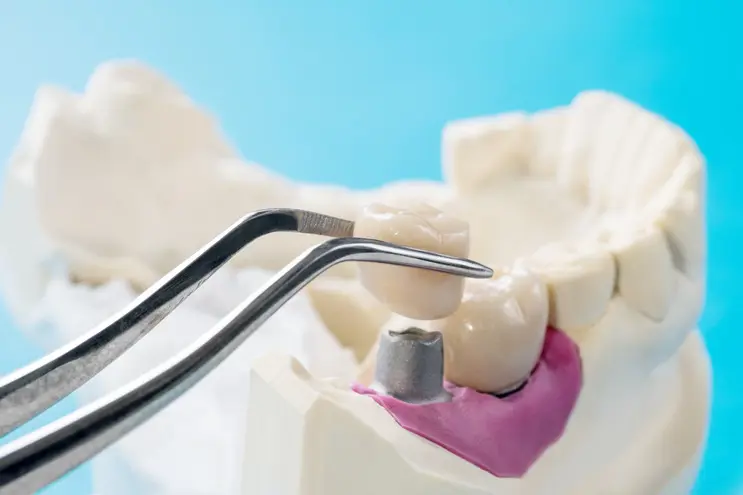
What Are the Advantages of Choosing Zirconia Crowns Over Metal Crowns?
Explore the advantages of zirconia crowns over metal—superior aesthetics, durability, and biocompatibility for a natural, long-lasting smile. Learn more now!
Read Article

How Stress Affects TMJ and What You Can Do About It
Discover how stress impacts TMJ and learn effective strategies to relieve jaw pain, tension, and discomfort for lasting relief. Take control of your TMJ today!
Read Article

Is There a Link Between TMJ and Posture? How to Improve Both
Discover the connection between TMJ and posture—how alignment affects jaw health and simple ways to improve both for long-term relief. Find out more today!
Read Article