Conservative Tooth-Preserving Dentistry, TMJ & Orthodontics in Gangnam, Seoul
5.0 Verified Patient Satisfaction
en-US

Dental Clinical Guide
Why You Should Consider Dental Implants If You Have Missing Teeth
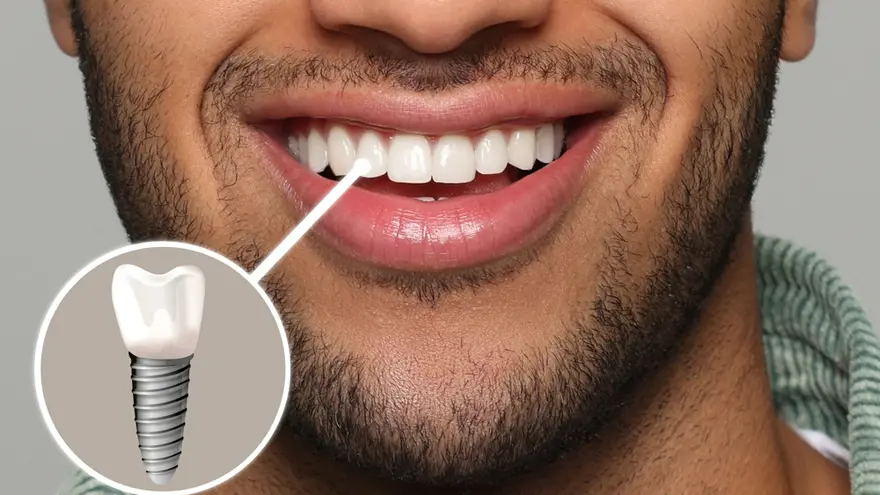
Learn why dental implants are the ideal solution for missing teeth—permanent, natural-looking, and functional. Restore your smile with confidence today!
Schedule a ConsultationIf you’re considering how to replace a missing tooth—or multiple missing teeth—dental implants often emerge as the gold standard. At OnO Dental Clinic in Gangnam, Seoul, where we blend over 31 years of clinical insight with a conservative, precision-driven philosophy, we believe implants deserve serious consideration for anyone seeking long-term oral health, confidence, and function.
What Happens When You Lose a Tooth
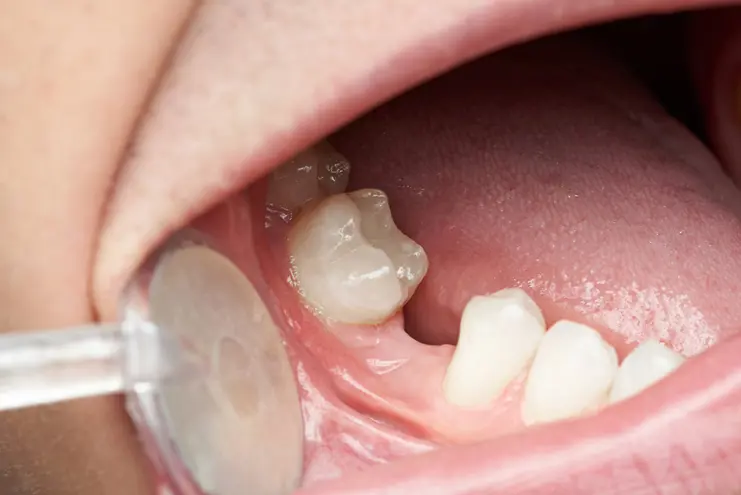
The impact of losing a tooth goes far beyond aesthetics. Once a tooth is removed:
- Nearby teeth often drift or tilt into the space.
- The opposing tooth may over-erupt, disturbing your bite alignment.
- The jawbone beneath the lost tooth begins to shrink due to lack of stimulation.
- Facial contours may subtly collapse, especially over time.
- Chewing efficiency, speech clarity, and overall confidence may decline.
Many patients don’t realize how quickly these changes set in—until they begin experiencing discomfort or instability. One missing tooth can alter the entire architecture of your mouth.
Additionally, changes in bite force distribution can trigger muscle tension and contribute to TMJ (temporomandibular joint) discomfort. For individuals already prone to jaw pain or headaches, a missing tooth can be the tipping point that causes cascading functional issues. From a dental standpoint, even a small gap can place undue strain on the remaining teeth, leading to microfractures, enamel wear, or periodontal stress.
How Dental Implants Solve These Issues
Dental implants aren’t just about filling a gap; they replicate the function of natural teeth, right down to the root.
1. Preserve Bone Health
The implant post stimulates the jawbone just like a natural root, preventing bone loss. Without this stimulation, the bone will gradually resorb, which can complicate future treatment options. This bone loss isn't merely cosmetic—when it becomes advanced, it may compromise adjacent teeth, alter sinus positioning (in upper jaw cases), or change the overall facial profile.
At OnO Dental Clinic, we emphasize early intervention because the sooner we place an implant, the more bone we can preserve. If bone has already diminished, we utilize advanced techniques such as guided bone regeneration or sinus lifting to rebuild a strong foundation.
2. Restore Full Function
Implants allow you to chew with nearly the same force as a natural tooth. Speech clarity improves, and patients often regain the confidence to eat, smile, and speak freely. Unlike removable dentures that may slip or cause sore spots, implants are anchored solidly to the bone, making them feel stable and natural.
This is especially critical for molars, where chewing pressure is greatest. A well-integrated implant prevents patients from favoring one side when eating—something that can otherwise lead to muscle strain or uneven wear.
3. Stabilize Surrounding Teeth
By filling the space, implants prevent the domino effect of shifting teeth and over-eruption. This maintains the integrity of your bite. When teeth shift, new pockets can form between teeth, increasing the risk of plaque accumulation, gum inflammation, and even periodontal disease. Properly placed implants act as space maintainers that protect the whole arch.
4. Long-Term Durability
When properly cared for, implants can last decades. Unlike bridges, they don’t rely on grinding down adjacent teeth. Unlike dentures, they don’t move or require adhesives. In fact, implant success rates regularly exceed 95% over 10–15 years, particularly when placed in a healthy, well-maintained mouth.
With regular dental check-ups and good oral hygiene, implants can outlast many traditional restorations. For patients seeking a "one-and-done" solution, this reliability is a significant advantage.
5. Natural Aesthetics
With careful planning, an implant crown can be virtually indistinguishable from a natural tooth—especially when paired with gum contouring and smile design. At OnO, we consider the gumline, tooth translucency, and facial symmetry to ensure your implant doesn’t just restore function but enhances your overall appearance.
In the aesthetic zone (front teeth), achieving harmony with neighboring teeth is an art. We often use temporary restorations during healing to sculpt the gums, followed by high-translucency ceramic crowns for a lifelike finish.
Why You Shouldn’t Ignore Even One Missing Tooth
Many assume that losing one tooth is minor, especially if it’s not visible when smiling. But even a single gap can lead to:
- Uneven bite force distribution
- Jaw joint strain (TMJ discomfort)
- Bone loss that complicates future treatments
- Increased wear or fracture risk on other teeth
In our clinic, we’ve seen many patients who delayed care, only to face more complex problems down the line. The earlier you intervene, the simpler—and more successful—the solution tends to be.
Even in younger patients, waiting to replace a tooth can cause shifting that leads to the need for orthodontics or bite correction later on. In older adults, delays can make bone grafting necessary before implant placement is even possible. A proactive approach always yields better clinical outcomes and often lower overall costs.
When Dental Implants May Not Be Right—And What We Do Instead
At OnO Dental Clinic, we believe in choosing the right solution—not the most expensive or trendy. Implants are not ideal for every patient. Factors we evaluate include:
- Bone Condition: Sufficient bone is needed for implant placement. Severe bone loss may require grafting.
- General Health: Conditions like uncontrolled diabetes or certain medications may impact healing.
- Hygiene Commitment: Implants need diligent care—just like natural teeth.
- Patient Age & Goals: While age isn’t a barrier, we always consider how the implant fits into a broader, long-term treatment plan.
For patients who cannot receive implants immediately, we may recommend:
- Dental Bridges: Especially effective when adjacent teeth need crowns anyway.
- Removable Partial Dentures: Often a temporary or budget-conscious option.
- Orthodontic Space Management: Sometimes orthodontics can help redistribute spacing or prepare a site for future implant placement.
Our focus is on maintaining balance and minimizing intervention—only recommending implants when they align with your oral health and life goals.
Our Approach to Implants at OnO Dental Clinic
Led by Dr. Se Hong Oh, with over three decades of surgical and academic experience, and supported by Dr. Hoijin Oh’s focus on aesthetics and general dentistry, our implant treatments combine technical precision with an artistic eye.
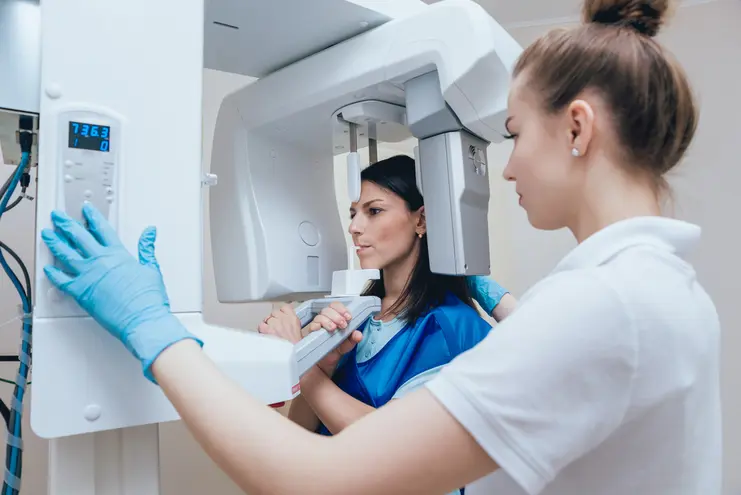
- Advanced Diagnostics: We use 3D CT imaging to assess bone quality and plan ideal implant positioning.
- Minimally Invasive Placement: We prioritize techniques that preserve tissue and speed up healing.
- Integrated Care: If you also have TMJ issues, bite misalignment, or aesthetic concerns, we coordinate a comprehensive plan.
- Natural Aesthetic Focus: Especially in visible areas, we shape the gums and match neighboring teeth to create harmony.
- Ongoing Maintenance: We guide patients on maintaining implant health long after placement.
Moreover, our clinic prioritizes digital workflows—such as guided implant surgery and CAD/CAM prosthetics—to ensure safety, precision, and shorter chair times. Each implant plan is customized based on facial anatomy, occlusion (bite force), and aesthetic goals.
A Real Patient Example
Mrs. Kim, in her late 40s, came to us after living for years with a missing lower molar. She’d adapted by chewing on the other side, but over time her bite shifted and her cheek began to look sunken. After careful evaluation, we placed a single implant and custom crown.
During follow-up visits, she noted not only the return of chewing comfort but also improved balance in her jaw. Her posture and digestion also improved subtly—things patients rarely associate with dentistry until they experience the change firsthand. Most importantly, we prevented further bone loss and bite deterioration. She later shared how much more comfortable she felt eating in public—and how her facial balance subtly improved. "I didn’t realize one missing tooth was affecting so much," she told us.
Final Thoughts
Tooth loss affects much more than appearance—it impacts your function, confidence, and the health of your entire mouth. Dental implants offer a reliable, natural-feeling solution that preserves bone, restores chewing ability, and prevents long-term complications.
But the key lies in proper diagnosis and planning. At OnO Dental Clinic, we don’t just “place implants.” We help patients rebuild health from the foundation up—with care, precision, and a deep respect for the natural structure of the mouth.
If you’ve been told to wait, or are unsure about the next step after losing a tooth, consider visiting a clinic that puts preservation and long-term outcomes first. It could be the most important dental decision you make.
More Dental Articles
Continue reading clinical dental guides from OnO Dental Clinic.
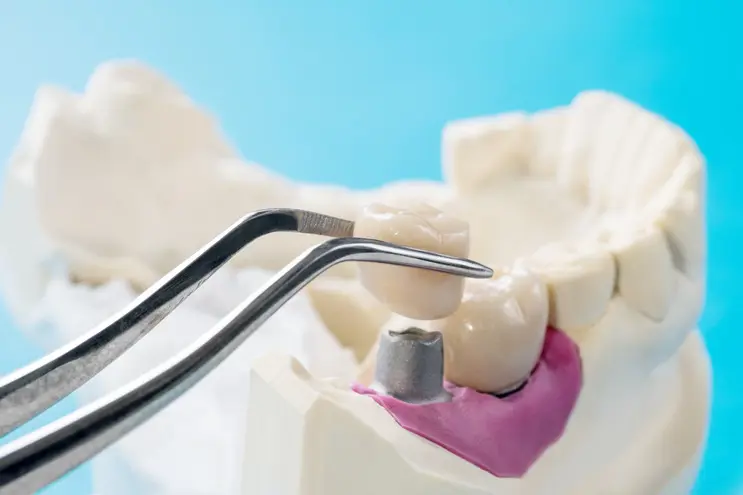
What Are the Advantages of Choosing Zirconia Crowns Over Metal Crowns?
Explore the advantages of zirconia crowns over metal—superior aesthetics, durability, and biocompatibility for a natural, long-lasting smile. Learn more now!
Read Article

How Stress Affects TMJ and What You Can Do About It
Discover how stress impacts TMJ and learn effective strategies to relieve jaw pain, tension, and discomfort for lasting relief. Take control of your TMJ today!
Read Article

Is There a Link Between TMJ and Posture? How to Improve Both
Discover the connection between TMJ and posture—how alignment affects jaw health and simple ways to improve both for long-term relief. Find out more today!
Read Article