Conservative Tooth-Preserving Dentistry, TMJ & Orthodontics in Gangnam, Seoul
5.0 Verified Patient Satisfaction
en-US


Dental Clinical Guide
How Dental Crowding Affects Your Oral Health and What to Do About It
Dental crowding can impact your oral health, leading to decay and gum issues. Learn causes, risks, and treatment options—take the first step to a healthier smile!
Schedule a ConsultationWhen Your Smile Feels Too Tight — And What to Do About It
You’ve probably glanced in the mirror and thought, “My teeth feel crowded.” Maybe some teeth overlap, or your front teeth angle slightly inward or outward. That little “minor crookedness” might seem cosmetic — but to a seasoned dentist who waits for that bite to “click” into place, it’s often the first sign of something deeper.
At OnO Dental Clinic in Gangnam, we’ve seen how dental crowding — when there isn’t enough room in your jaw for all your teeth to fit comfortably — quietly undermines both oral health and long-term smile harmony. It isn’t just about alignment. It’s about function, balance, and giving your teeth the space they need to thrive.
Here’s what dental crowding really does to your oral health… and what you can realistically do about it.
How Dental Crowding Affects More Than Just Appearance
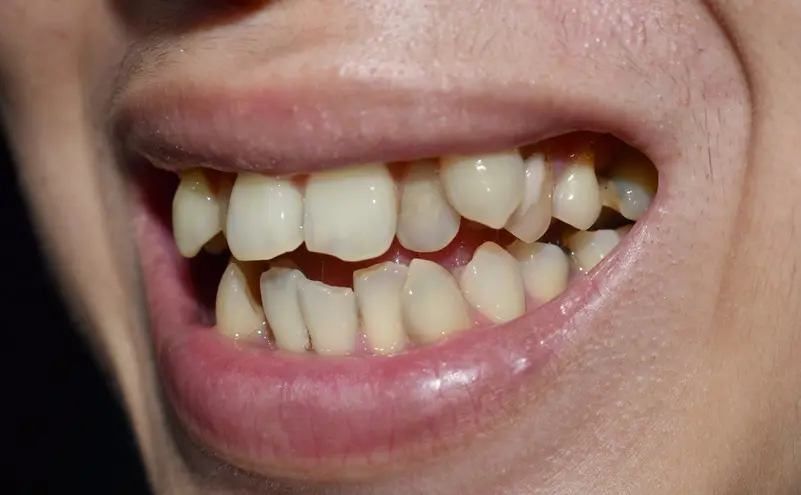
Bite Pressure and TMJ Strain
Teeth are part of a finely tuned system. When one is out of place, the others adapt — sometimes poorly. Crowded teeth can cause:
- Uneven biting pressure, which wears down certain teeth faster
- Jaw joint strain (TMJ issues) from bite misalignment
The temporomandibular joint (TMJ) is especially sensitive to how the upper and lower teeth come together. Crowding can lead to uneven force distribution during chewing, making the jaw muscles work overtime to compensate. Over time, this imbalance can cause muscle fatigue, chronic tension headaches, or even jaw locking in severe cases.
What many patients don’t realize is that crowding can shift your bite track, like a train veering off-rail. Small imbalances can grow into chronic jaw issues over time — something we see frequently in long-standing untreated cases.
Harder to Clean = Higher Risk of Decay & Gum Disease
Crowded teeth make it harder to brush and floss effectively. Tight overlaps and hidden surfaces trap plaque and bacteria, leading to:
- Cavities between teeth that are hard to spot early
- Gum inflammation, which may progress to periodontitis or bone loss
This becomes especially dangerous in patients with a history of gum sensitivity or early-stage gingivitis. Bacteria tend to gather in places toothbrush bristles can't reach. Flossing often becomes uncomfortable or incomplete, which allows biofilm to harden into tartar in hard-to-reach crevices. This accelerates both gum recession and bone deterioration if not monitored.
Even diligent brushers can struggle to maintain hygiene in crowded areas. Over the years, this increases the risk of irreversible damage to supporting structures around the teeth.
Accelerated Tooth Wear
Crowded teeth often rub against each other in ways they weren’t designed to. That leads to:
- Chipped or flattened edges
- Premature enamel wear
- Tooth sensitivity
Enamel, once worn down, doesn’t regenerate. Patients often come in complaining of sudden sensitivity to cold or sweets, not realizing that slow enamel loss from friction was happening for years. In more advanced cases, we’ve seen patients require crowns or even root canal treatments due to stress fractures caused by poor alignment.
Facial Balance and Aesthetics
Crowded teeth can alter your facial appearance subtly over time. They may:
- Push the lips outward or inward
- Narrow the arch of your smile
- Disrupt facial symmetry
Over time, as dental arches contract due to crowding or extractions, the midface can lose volume. This might create a hollow or sunken look, especially in adults. Our clinic often sees patients in their 30s and 40s seeking smile rejuvenation not just for their teeth, but to restore natural facial support.
So while crowding may start as a minor cosmetic concern, it can quietly change how your face ages.
Common Causes of Dental Crowding
Crowding doesn’t always mean your jaw is too small. It can also result from:
- Late erupting wisdom teeth pushing other teeth forward
- Thumb-sucking or mouth-breathing habits in childhood
- Tooth loss without replacement, causing shifting
- Natural arch development issues, leading to a narrow jaw
Mouth breathing in particular — often due to allergies, nasal blockages, or habit — can alter jaw posture and growth during key developmental years. If the tongue rests low in the mouth instead of the palate, the upper jaw may not develop fully, resulting in a narrow arch and insufficient space for teeth.
That’s why each case deserves a detailed assessment. What looks like “lack of space” might actually be poor alignment or jaw imbalance. Our use of cephalometric analysis and 3D imaging helps uncover these patterns early on.
Signs It’s More Than Just Cosmetic
You don’t always need treatment for crowding. But consider a consultation if you notice:
- Flossing or brushing is difficult in some areas
- You’ve had multiple cavities in overlapping teeth
- Your teeth are chipping or flattening
- Your jaw clicks, locks, or feels sore
- Your smile has changed shape or looks narrower
Another subtle sign: waking up with sore jaw muscles or a dull headache. This may indicate nighttime clenching caused by uneven bite forces, often linked to crowding.
When the body starts adjusting to a crowded bite, those compensations can turn into long-term dysfunction. And by the time discomfort arises, structural damage is often already underway.
What You Can Do (Without Jumping to Extractions)
At OnO Dental Clinic, we take a conservative, diagnostics-first approach. Here’s how we help patients with crowding:
3D Imaging for Precise Diagnosis
We use advanced 3D CT scanning to examine:
- Jaw size and structure
- Tooth root alignment
- Arch width
- Hidden crowding below the surface
Unlike traditional 2D x-rays, 3D imaging allows us to see the bone, soft tissue, and root positions in detail. This helps us avoid rushed decisions like unnecessary tooth removal. Many times, we discover that space can be created through other, more natural methods.
Non-Extraction Orthodontics
Rather than removing teeth to make room, we often recommend:
- Arch expansion, particularly in teens or young adults
- Interproximal reduction (gentle enamel reshaping)
- Braces or aligners to rotate and reposition teeth precisely
When guided correctly, even adult patients can benefit from arch development techniques that create space naturally. Aligners also offer a discreet, comfortable solution that avoids the bulk of traditional braces while still allowing for highly precise movement.
This supports a more natural arch and facial balance — and protects neighboring teeth from shifting or collapse.
Address Root Causes
We also help patients correct habits or structural issues that worsen crowding:
- Tongue posture or swallowing patterns
- Mouth breathing correction
- Jaw development guidance (especially in young patients)
In some cases, we collaborate with ENT specialists, physical therapists, or myofunctional therapists to create a holistic treatment plan. Because alignment without addressing the cause often leads to relapse. We aim for lasting change.
Long-Term Retention and Care
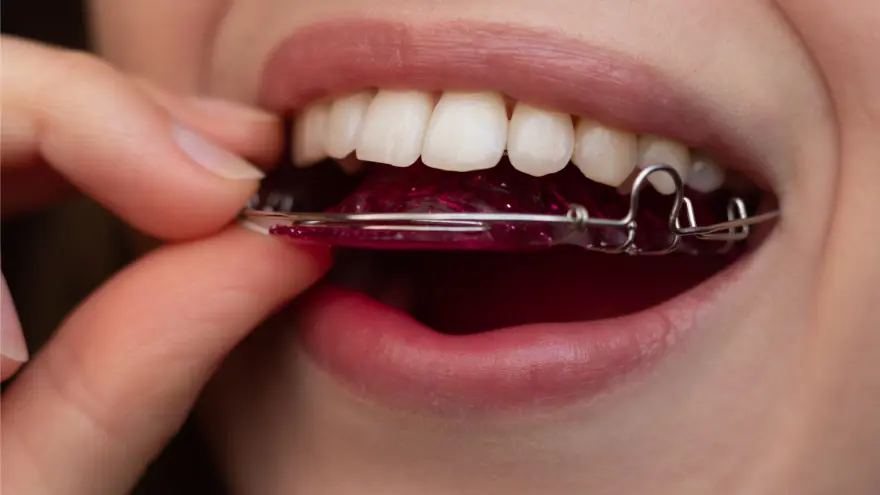
After treatment, we support patients with:
- Custom retainers
- Regular monitoring for wear or shifting
- Ongoing hygiene coaching, especially in previously crowded spots
Some patients may need nighttime retainers for life, especially if their natural bite was unstable. But this is a small commitment compared to the alternative of repeated orthodontic treatments.
We’ve found that patients who stay engaged in their care rarely need major corrections again.
Why Conservative Treatment Matters — Especially in Korea
In Korea, fast cosmetic results are often prioritized. But quick fixes like extraction-based orthodontics can have unintended effects:
- Narrowed arches that collapse over time
- Facial changes like sunken cheeks or lip retraction
- Compromised bite stability
At OnO Dental Clinic, we believe preservation is better than removal. Keeping all natural teeth, when possible, leads to:
- Better long-term jaw health
- More flexible future treatment options
- Lower risk of complications like nerve damage or bone loss
Extraction orthodontics can also make implant placement more difficult later in life, should it become necessary. Maintaining full dentition offers more stability and fewer compromises in restorative care.
For patients concerned with both aesthetics and function, a thoughtful, non-extraction plan is often safer and more sustainable.
Final Thoughts: A Crowded Smile Deserves Space to Breathe
Crowded teeth aren’t just a cosmetic issue. Over time, they can cause decay, wear, jaw pain, and even change your facial structure. But with the right diagnostics and a preservation-first approach, most patients can resolve crowding without extractions or aggressive treatments.
At OnO Dental Clinic, our goal isn’t just straighter teeth. It’s balanced, functional, long-lasting oral health — for smiles that not only look better but feel and function better, too.
If your bite feels tight, your cleaning is difficult, or your smile has changed shape, it might be time to check for crowding. Let’s give your teeth the room they deserve.
More Dental Articles
Continue reading clinical dental guides from OnO Dental Clinic.
What Are the Advantages of Choosing Zirconia Crowns Over Metal Crowns?
Explore the advantages of zirconia crowns over metal—superior aesthetics, durability, and biocompatibility for a natural, long-lasting smile. Learn more now!
Read Article

How Stress Affects TMJ and What You Can Do About It
Discover how stress impacts TMJ and learn effective strategies to relieve jaw pain, tension, and discomfort for lasting relief. Take control of your TMJ today!
Read Article

Is There a Link Between TMJ and Posture? How to Improve Both
Discover the connection between TMJ and posture—how alignment affects jaw health and simple ways to improve both for long-term relief. Find out more today!
Read Article